As we stand on the brink of incredible advancements in space technology, the vastness of the cosmos feels both daunting and inviting. Enhanced propulsion systems and robotic explorers could change how we perceive our universe, yet they also bring significant challenges. You might wonder how these innovations will reshape our future missions and the very idea of colonizing other planets. The answers lie in the balance between aspiration and adaptation. What will it take to turn these dreams into reality?
Key Space Technology Innovations for Exploration
As space exploration pushes the boundaries of human knowledge, several key innovations are revolutionizing how we venture into the cosmos.
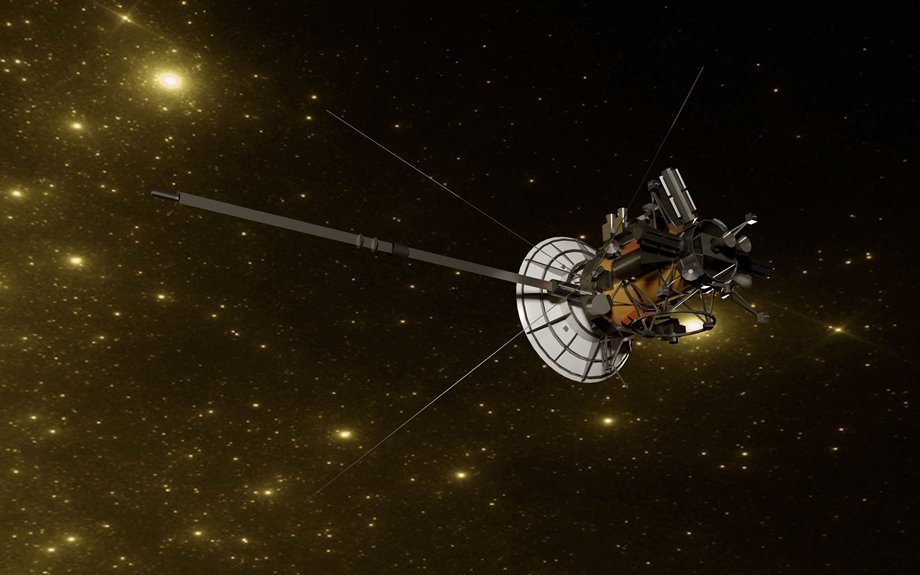
Advanced propulsion systems are enabling faster travel, while robotic explorers are paving the way for deeper understanding of distant worlds.
These technologies not only enhance our capabilities but also ignite the spirit of freedom, empowering humanity to boldly reach for the stars.
Challenges and Solutions in Space Missions
Exploring the cosmos isn’t without its hurdles. You’ll face launch failures, resource limitations, and funding constraints that can derail even the best mission planning.
Communication delays and environmental hazards add complexity, while human factors and technological obsolescence threaten operational success.
Solutions often lie in innovative strategies that prioritize adaptability, ensuring future missions can overcome these challenges and push the boundaries of exploration.
Examples of Key Innovations in Space Technology
Numerous key innovations in space technology have revolutionized our understanding of the universe.
You’ve likely seen the impact of satellite advancements, which enhance communication and environmental monitoring.
Meanwhile, cutting-edge propulsion systems are pushing the boundaries of space travel, making exploration more efficient.
Together, these developments not only expand our knowledge but also inspire a sense of freedom to explore beyond our planet.
Could We Really Colonize Other Planets?
Could we truly envision a future where humans live on other planets? With advancements in interstellar travel and the development of extraterrestrial habitats, this dream is closer than ever.
You might wonder about the challenges—radiation, gravity, and sustainability. Yet, as technology evolves, the possibility of thriving on distant worlds becomes more tangible, offering a new frontier for human freedom and exploration.
Conclusion
As we stand on the brink of interstellar adventure, let’s not kid ourselves—if we can’t even manage to keep our own planet clean, how are we supposed to colonize Mars? Sure, enhanced propulsion systems sound great, but they’ll do little good if we can’t pack our common sense. So, while we’re dreaming of distant worlds, let’s focus on fixing Earth first. After all, it’s easier to explore the cosmos when you’re not grounded by your own mess!