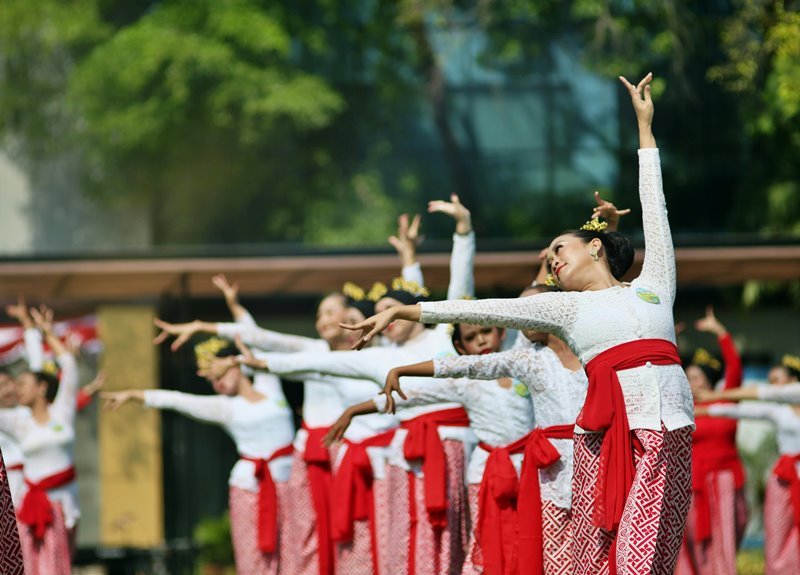
Imagine attending a vibrant Bhangra festival in Punjab, where the rhythm of the dhol pulls everyone into a joyous celebration. This is just one of the many folk dance traditions across India, each with its own story and significance. As you explore these dances, you’ll discover how they’ve shaped community identities and cultural narratives. What drives the revival of these art forms today, and how do they continue to empower individuals?
History of Indian Folk Dance
Indian folk dance has deep roots in the diverse cultural tapestry of the country, evolving over centuries to reflect the traditions and lifestyles of various communities.
You’ll discover regional variations showcasing distinct styles and rhythms, each accompanied by unique folk instruments.
These dances not only celebrate life’s milestones but also serve as a vibrant expression of identity, unity, and freedom in every performance.
Unique Characteristics of Specific Dance Styles
While exploring the vibrant world of folk dance, you’ll find that each style boasts unique characteristics that reflect the culture and spirit of its community.
Different dance techniques highlight regional variations, showcasing distinct movements, rhythms, and costumes.
For instance, bhangra’s energetic beats contrast with the graceful, flowing motions of Odissi, each telling a story deeply rooted in tradition and local heritage.
What Makes These Dances Culturally Significant?
Folk dances hold immense cultural significance, as they serve not just as artistic expressions but also as vital links to a community’s history and identity.
Through storytelling elements, these dances convey cultural identity, celebrating regional diversity while fostering community bonding. They bring people together, allowing you to connect with your roots and understand the rich tapestry of traditions that shape your heritage.
Reviving Traditional Dance Forms Today
Reviving traditional dance forms today isn’t just about preserving history; it’s about breathing new life into cultural expressions that resonate with contemporary audiences.
You can engage your community by hosting workshops and performances, fostering connections that celebrate shared heritage.
This dance preservation effort not only honors the past but also empowers individuals, creating a vibrant space for creativity and expression in today’s diverse landscape.
Conclusion
As you explore the vibrant world of Indian folk dance, you’ll find that these art forms aren’t just performances; they’re living narratives that connect us to our roots. The theory that dance can unite communities holds true, as each movement tells a story of heritage and identity. By engaging with these traditional styles, you’re not only honoring the past but also ensuring that these cultural treasures thrive for future generations. Embrace this journey, and let the rhythm of tradition resonate within you.