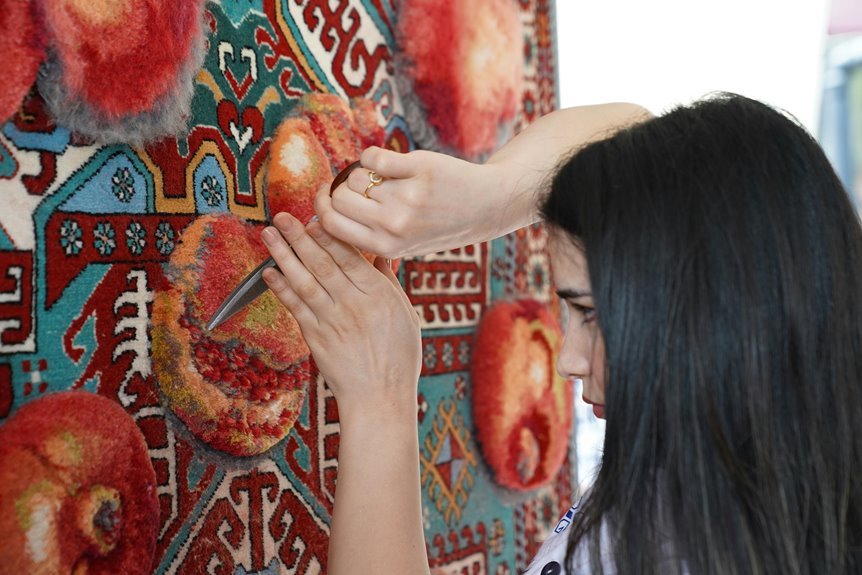
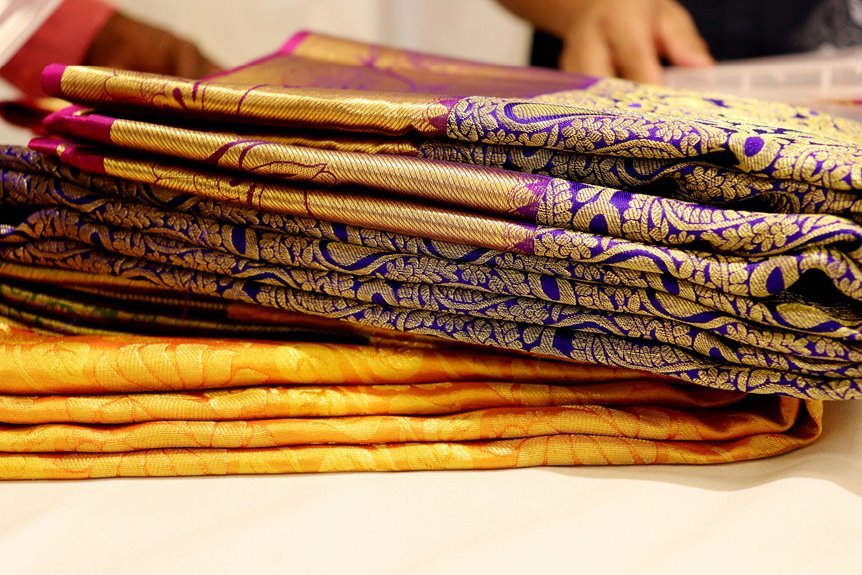
Textile heritage shapes cultural identity, reflects regional diversity, and preserves craftsmanship. You see how traditional fabrics tell stories, connect communities, and embody history. This study underscores the intricate relationships among artisans, techniques, and sustainable practices. As you explore these themes, consider how innovations in textile production could influence future generations. What does this mean for the preservation of these rich traditions? The answers might surprise you.
Cultural Identity and Textile Heritage
When you explore cultural identity, you’ll often find that textile heritage plays a pivotal role in shaping how communities express themselves.
Each fabric tells a story, rich with cultural symbolism, reflecting regional diversity. These textiles connect generations, embodying traditions and values.
Techniques and Skills in Traditional Textile Craftsmanship
Textile heritage not only embodies cultural identity but also showcases a wealth of techniques and skills that have been passed down through generations.
You’ll discover intricate dyeing techniques that create vibrant hues and unique weaving patterns that tell stories of tradition.
Mastering these crafts requires dedication, allowing artisans to express creativity while preserving their cultural legacies, intertwining freedom with heritage.
India’s Textile Heritage: A Rich History
India boasts a textile heritage that spans over 5,000 years, reflecting a tapestry of cultural influences and regional diversity.
You’ll find sustainable practices woven into techniques passed down through generations, showcasing an intricate balance between tradition and innovation.
Global influences have enriched this heritage, making it a vibrant canvas where artisans express their identities while embracing contemporary trends, ensuring its enduring relevance.
What’s Next for Textile Heritage?
How can we ensure that the rich tapestry of textile heritage continues to thrive in a rapidly changing world?
Embracing sustainable practices is vital, allowing artisans to innovate while preserving traditional techniques.
By recognizing global influences, you can foster a vibrant exchange of ideas, ensuring that textile heritage evolves without losing its essence.
Together, let’s celebrate and sustain this cultural legacy for future generations.
Conclusion
In a world rushing toward the latest synthetic trends, it’s ironic that the threads of our past weave the strongest bonds to identity. You’ll find that the vibrant colors and intricate patterns of traditional textiles don’t just adorn, they narrate tales of resilience and artistry. Embracing these age-old techniques may seem like a step back, yet it’s actually a leap forward—preserving a cultural tapestry that enriches our future while celebrating the craftsmanship that defines who we are.